What is the Future of Padel Clubs?
The Future of Padel Clubs isn't more courts, it's better experiences.
The Rally House Concept
Padel is one of the fastest-growing sports in the world, and as new clubs continue to open, participation is rising and investment is pouring into the sector. But as the sport expands, one question is being asked. What happens when the hype slows down?
For operators, developers and investors, the long-term success of a padel clubwon't be defined by the number of courts in a club, it will be defined by the experience it creates. The future of the sport relies on destinations that people want to spend time in, not simply places they visit to play.
Changing Trends
Traditionally, sports venues have been designed completely around the activity; you arrive, play, shower and leave. Now, consumers expect spaces that support the way they live, work and socialise. They want environments where fitness, wellbeing, hospitality and community exist together, creating reasons to stay long after the game has finished, or even
This shift isn't unique to any sport; across leisure, hospitality and elite sport, we're seeing destinations evolve into spaces where experience becomes just as valuable as the activity itself.
For operators, that creates opportunities to increase dwell time, expand on revenue streams and build stronger customer loyalty.
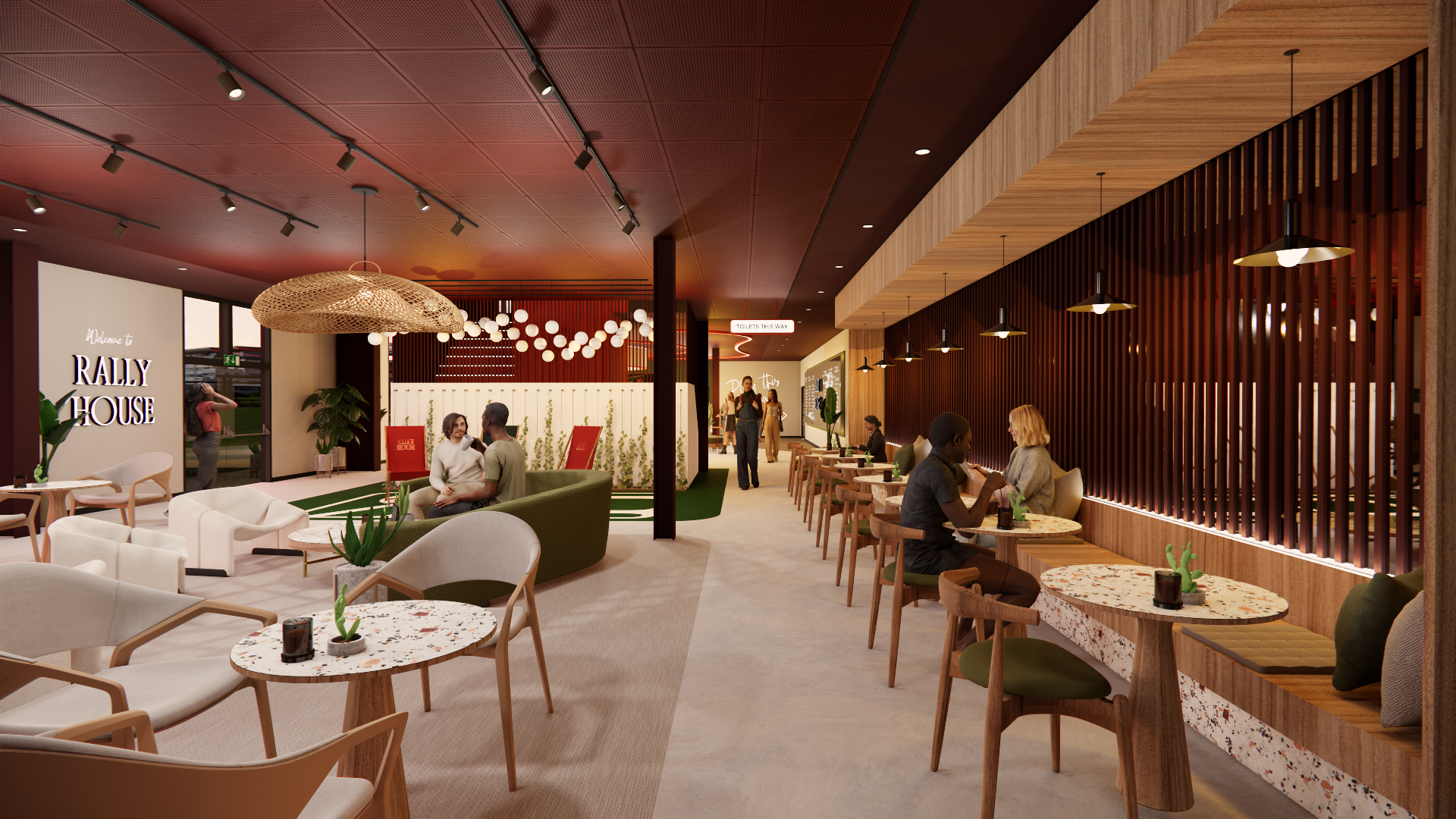
Previously, sports facilities have treated hospitality as an add-on. For example, the café sits in the corner, the seating is functional and rarely comfortable, making the social experience secondary. Sports clubs, venues and destinations of the future should rethink this layout and design.
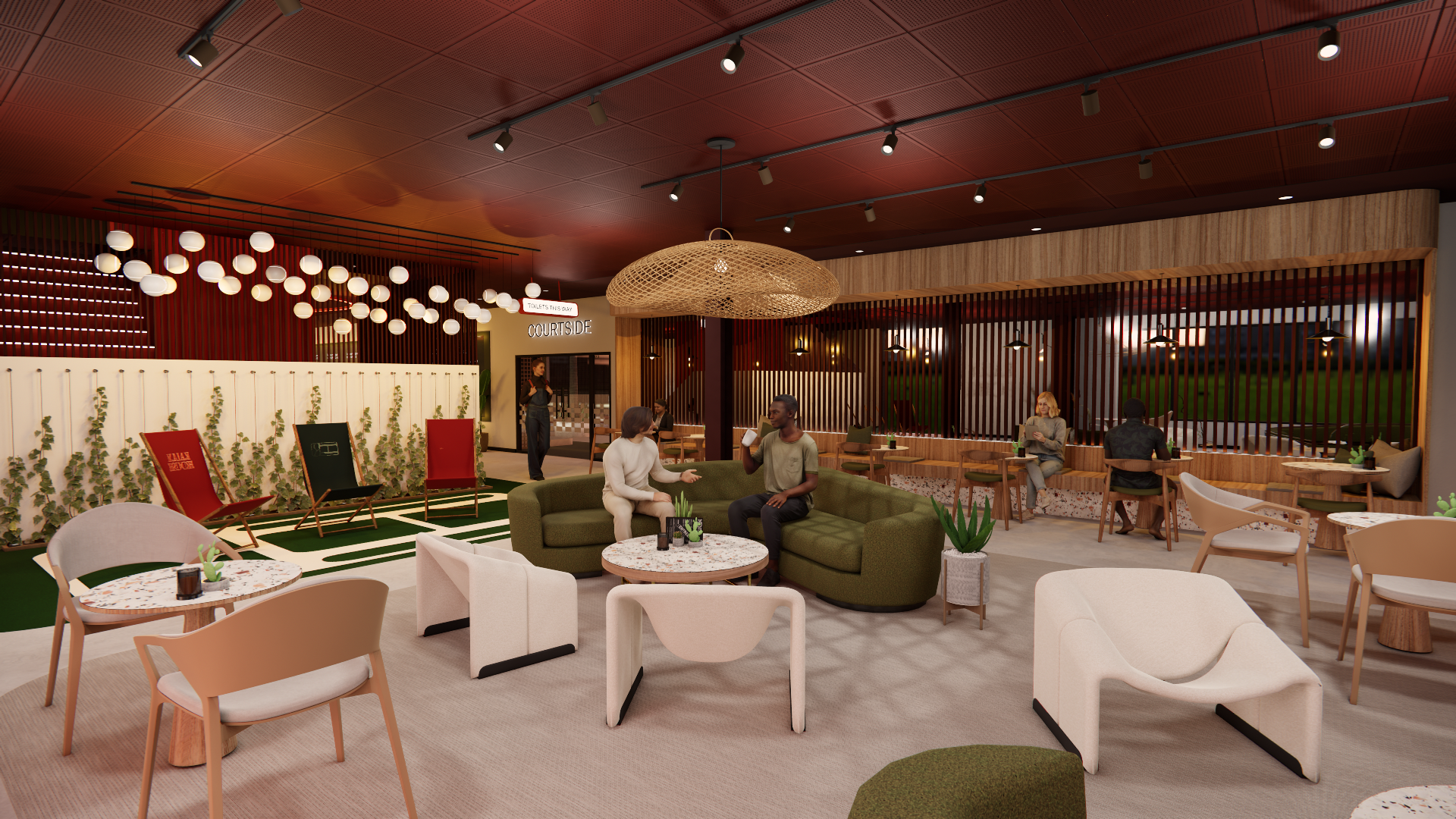
Hospitality should shape customer journey from the moment someone arrives to the moment they leave. Whether someone is playing, spectating, working or meeting friends, every visitor should feel like they are there for a reason. Creating spaces people choose to spend time in naturally encourages longer visits, stronger communities and therefore, greater commercial performance.
The question should no longer be ‘How many courts can we fit into a building?’ but ‘How can we convince people they don’t want to leave?’
Designing for the long-term
The rapid and big growth of padel creates lots of opportunity, as well as competition. As more venues enter the market, simply offering courts to members and the public will not be enough.
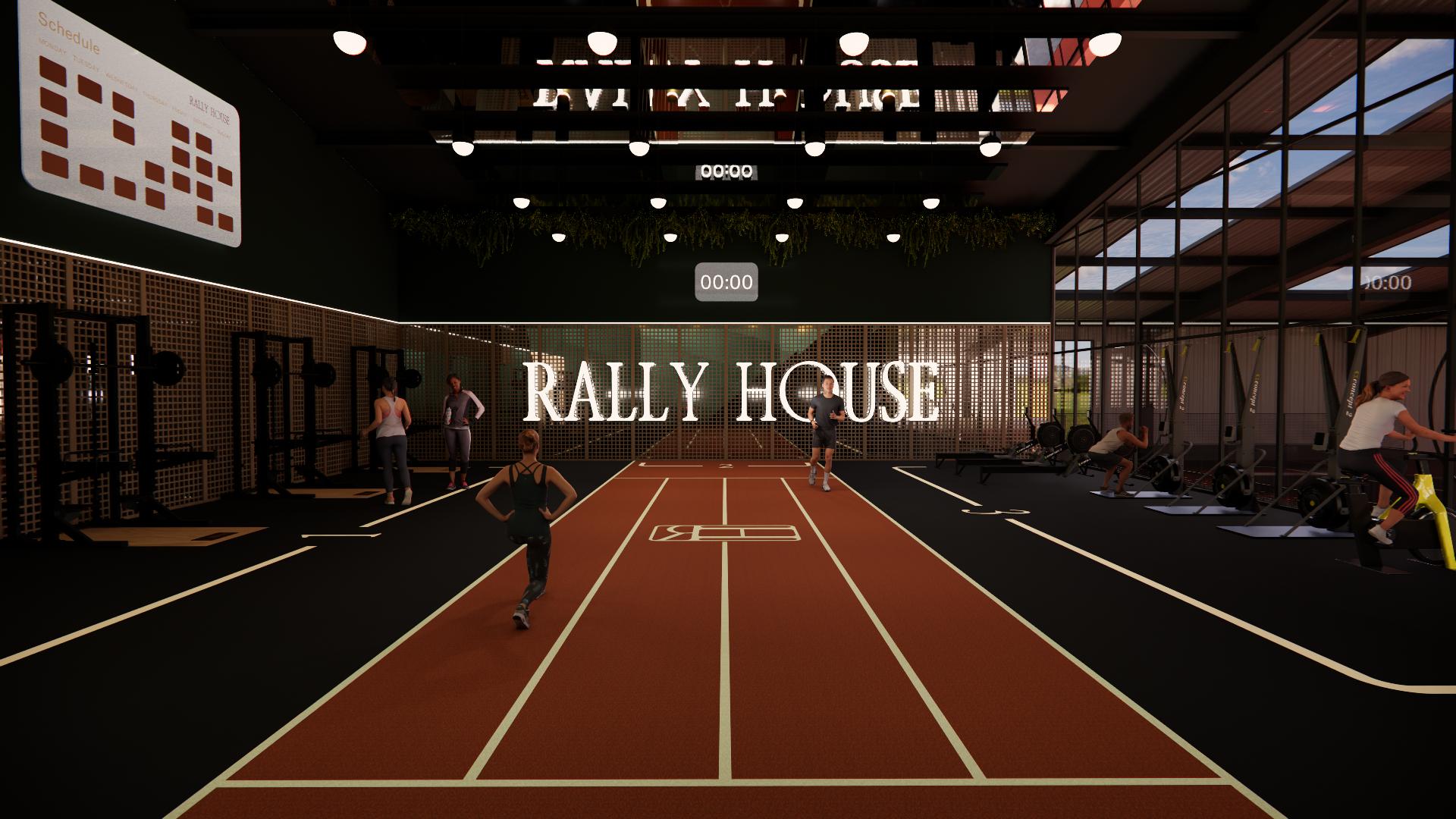
Longevity for these businesses means creating a community by integrating food and beverage, wellness, recovery, fitness, flexible social spaces and memorable customer experiences into a single destination. This will help in supporting both the customer experience and the commercial model through thoughtful design.
Technology’s role in shaping the future of sports clubs
Technology is also becoming an increasingly important part of the customer experience, helping venues deliver greater value while supporting player development.
One example is the use of AI-powered training environments that allow players of every ability to improve their performance through intelligent analysis and feedback. Rather than replacing coaching, these spaces enhance learning, encourage repeat visits and give venues a genuine unique selling point.
Turning theory into practice with Rally House.
At Layrd, we wanted to explore what this future could look like.
That's why we created Rally House. A padel club concept designed from the ground up to challenge the traditional idea of a padel club.
Rather than starting with the courts, we started with the customer experience.
We considered how hospitality, wellbeing, fitness, recovery and performance could come together to create a destination people genuinely wanted to spend time in. Every aspect of the design, from thebrand identity to the customer journey and interior design, was developed around creating a modern space that’s almost like a second home.
The result is a hospitality-led sports destination where padel is the attraction, but community is the reason people return.
If you want to see our Padel Concept, take a look at our full Rally House project Case Study, or our Designer’s Corner blog with Gina.