The Rise of Social Wellness: Why Community Is Becoming the Most Powerful Force in Fitness Design
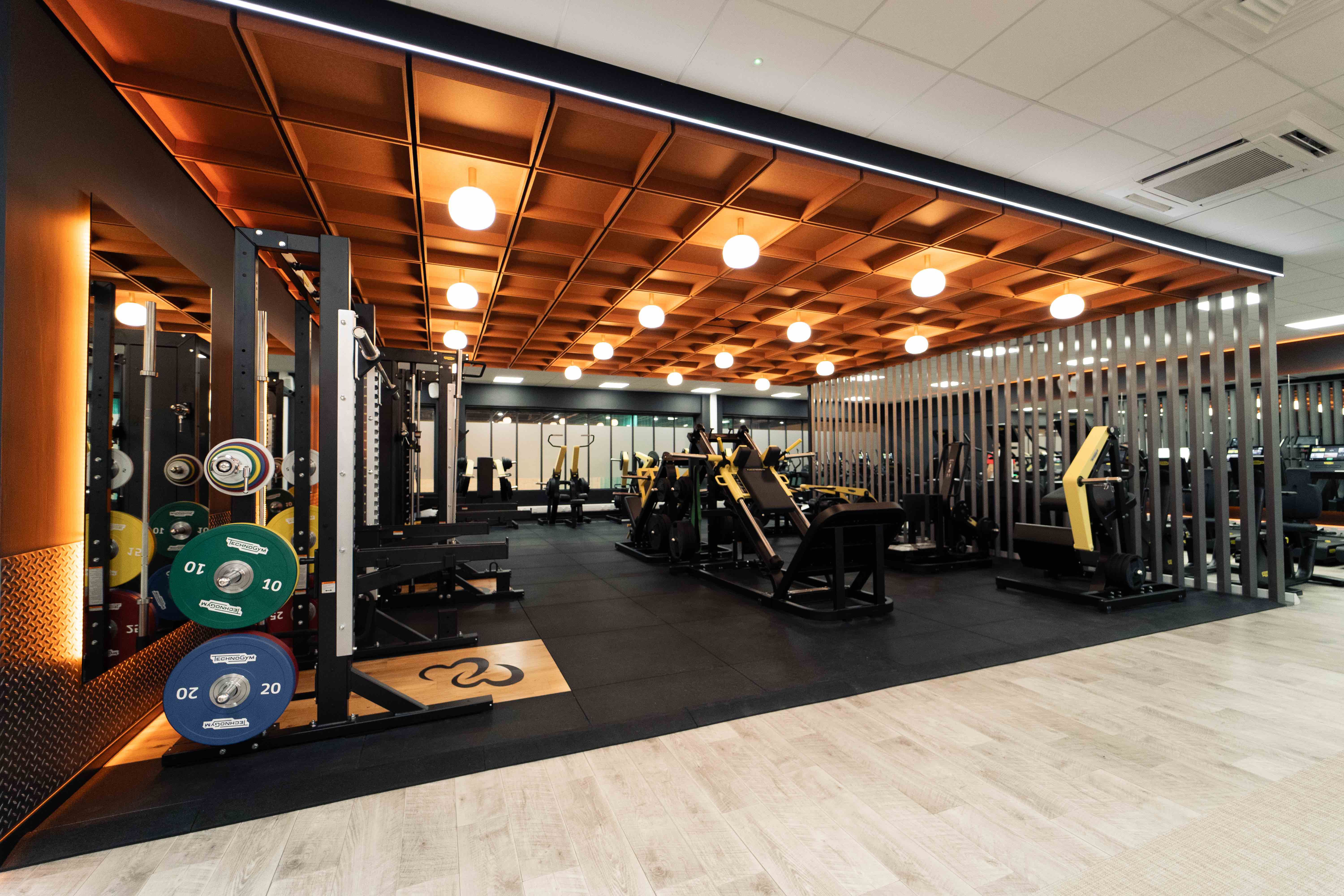
For decades, gyms have been designed around a simple premise: people come to work out. Rows of equipment. Functional training zones. Studio timetables. Efficient changing rooms. The goal was physical output, calories burned, reps completed, personal bests achieved.
But something fundamental has shifted. Today, people don’t just go to gyms to train. They go to belong.
Welcome to the era of social wellness.
Fitness Is No Longer a Solo Pursuit
If you look at the fastest growing concepts in the fitness and recovery space, boutique studios, contrast therapy clubs, breathwork spaces, recovery lounges, they all share a common trait:
They are designed for shared experience, where members arrive, train and recover together; and crucially, stay together afterwards. The workout has become only one chapter in a much broader social ritual.
This shift is being driven by several cultural forces:
- Rising loneliness and digital fatigue
- Hybrid working reducing daily social interaction
- Wellness replacing nightlife as a social anchor
- Younger demographics valuing experiences over transactions
Fitness spaces are stepping in to fill the gap onceoccupied by bars, cafés, and even offices. They are becoming modern “third spaces.”
Designing for the Hour After the Workout
One of the biggest missed opportunities intraditional gym design is what happens after the workout ends.
Historically, the spatial journey looked like this:
Train → Shower → Leave
Now, leading operators are extending that journey:
Train → Recover → Socialize → Refuel → Work → Stay
This evolution is reshaping spatial priorities.We’re seeing increased demand for recovery lounges, contrast therapy suites, saunas, juice and coffee bars members' lounges, co-working zones and outdoor terraces.These aren’t “add-ons.” They’re retention engines.
The longer members dwell, the deeper their emotional connection to the space, and the higher the lifetime value.
Community Is the New Currency
Operators often talk about equipment investment,programming, and pricing strategy. But community is becoming the most powerful competitive differentiator.
You can replicate equipment.
You can copy class formats.
You can undercut pricing.
You cannot easily replicate belonging.
Social wellness spaces succeed because they foster:
- Shared rituals (ice baths, group breath-work)
- Visible recovery (people unwinding together)
- Conversation moment
- Post-class decompression
- Celebratory environment
Members don’t just remember how hard they trained. They remember how the space made them feel, and who they felt it with.
Hospitality Is Reshaping Fitness Design
As social wellness rises, hospitality principles are becoming central to fitness environments.
We’re seeing gyms borrow more from boutique hotels than traditional leisure centres:
- Arrival lounges instead of check-in desk
- Bar-style service counter
- Ambient lighting over clinical brightness
- Layered seating instead of linear benches
- Scent, sound, and sensory design
These elements signal something important:“You’re welcome to stay.”
Design is no longer pushing throughput, it’s encouraging dwell time.
And that changes everything from layout planning to material selection.
The Socialisation of Recovery
Perhaps the most interesting evolution is happening in recovery spaces. What was once clinical and solitary is becoming communal and experiential. Ice baths are now designed in groups. Saunas are built for conversation. Breath-work happens in shared chambers. Recovery lounges resemble private members’ clubs.
Why?
Because recovery naturally lends itself to slower, more social interaction:
- Heart rates drop.
- Phones stay away.
- Conversations deepen.
Designing these environments requires a delicate balance:
- Privacy without isolation
- Calm without sterility
- Social energy without noise
Done well, recovery becomes the emotional heart of the facility.
Designing for Different Social Comfort Levels
Not every member wants the same level of interaction. A key challenge in social wellness design is creating layered social intensity. Spaces must accommodate: The solo decompressor, The post-class chatterer, The co-working professional, The recovery ritualist and The social group.
This requires thoughtful zoning:
High energy → Transition → Low energy → Deep calm
Acoustics, lighting, seating typologies, and spatial sequencing all play a role in choreographing this emotional journey. Social spaces should feel optional, not imposed.
The Business Case for Social Wellness
While social wellness is culturally driven, its commercial impact is significant.
Facilities that successfully integrate social and hospitality spaces often see:
- Increased member retention
- Higher secondary spend (F&B, recovery, retail)
- Stronger brand advocacy
- Greater dwell time
- More off-peak usage
In other words, design that fosters community doesn’t just feel good, it performs.
Square footage once allocated purely to equipment is now being rebalanced toward experience.
The rise of social wellness signals a deeper truth about human behaviour.
People may join for fitness goals, but they stay for emotional ones.
1. Belonging.
3. Connection.
4. Ritual.
5. Community.
Designers and operators who recognise this shift have an opportunity to create spaces that go far beyond physical transformation.
They can shape social infrastructure for modern life.
And in a world that increasingly lacks shared spaces, that responsibility, and opportunity, has never been greater.