Rethinking Square Footage: The Optimal Balance of Training, Recovery and Social Space
.png)
Today's consumer expectations are very different.
The rise of wellness-focused lifestyles, hybrid working, longevity trends, and community-driven experiences has fundamentally changed what people expect from a fitness destination. Members are no longer simply paying for access to equipment; they are seeking places that support performance, recovery, connection, and wellbeing.
As a result, operators are increasingly rethinking how square footage is allocated across their facilities.
The question is no longer:
"How much gym space do we need?"
It's becoming:
"How much experience space do we need?"
The Evolution of Wellness Space Planning
Historically, a typical health club may have allocated:
- 70-80% Training
- 10-15% Social
- 5-10% Recovery
While this model maximised exercise capacity, it often limited opportunities for dwell time, secondary spend, and community engagement.
Today's leading wellness brands are moving towards a more balanced approach.
This shift reflects a broader understanding that wellness outcomes are influenced by more than exercise alone.

Training Space: 45-60%
Training remains the foundation of most facilities, but operators are becoming more selective about how this space is used.
Rather than filling large areas with traditional cardiovascular equipment, modern facilities are prioritising:
- Functional training zones
- Strength and performance areas
- Group exercise experiences
- Specialist training concepts
- Technology-enhanced fitness experiences
Members increasingly value quality and flexibility over sheer quantity of equipment.
The most successful operators are creating spaces that encourage movement, coaching, and community ratherthan rows of underutilised machines.
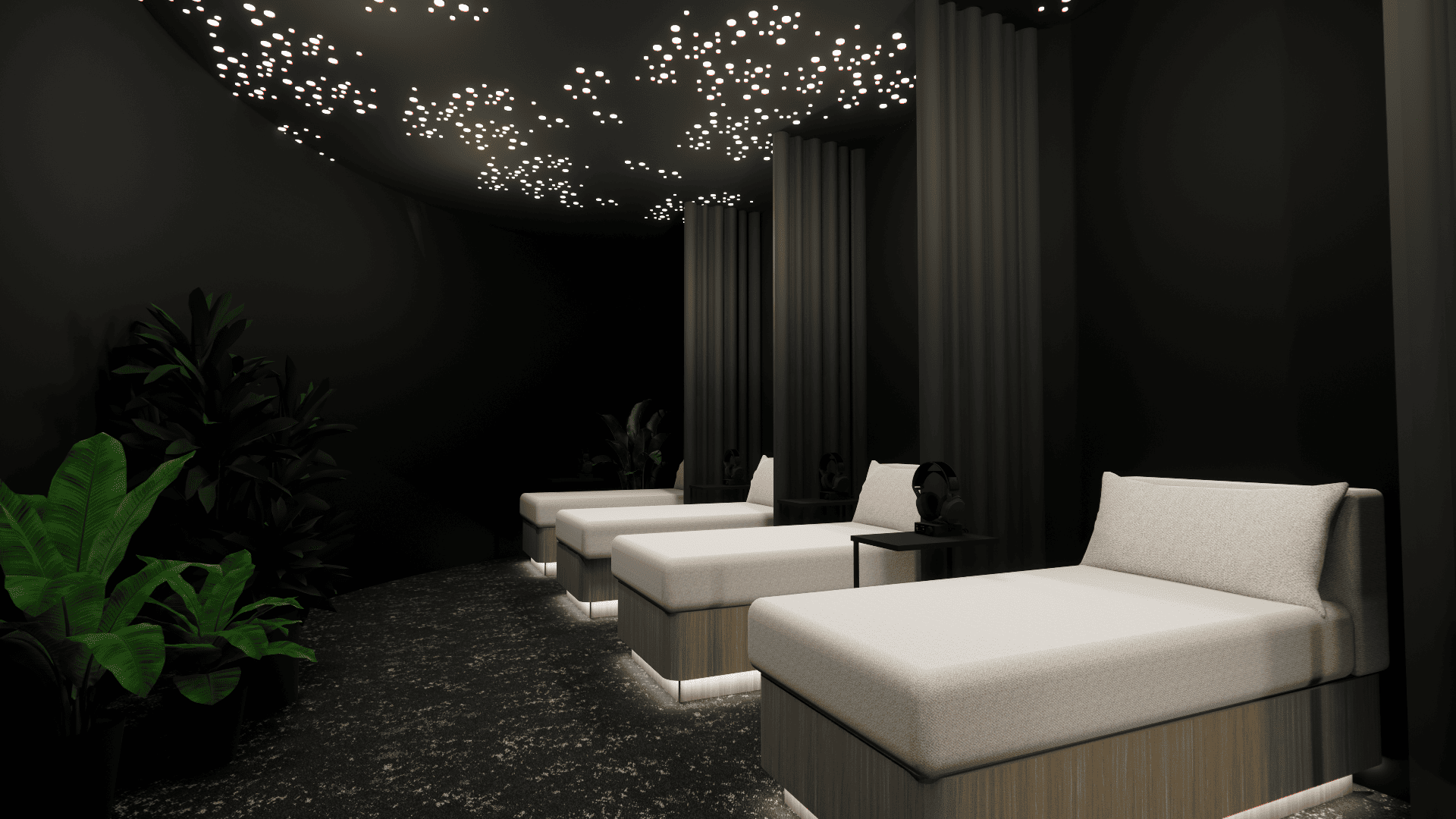
Recovery Space: 20-30%
Recovery has become one of the fastest-growing areas within wellness.
Cold therapy, heat therapy, breathwork, compression, sleep optimisation, and guided recovery are rapidlymoving from elite sport into mainstream fitness environments.
Recovery spaces not only enhance member outcomes but also create a clear point of differentiation in anincreasingly competitive market.
Common recovery elements now include:
- Saunas
- Steam rooms
- Cold plunge pools
- Recovery lounges
- Compression therapy
- Stretching zones
- Meditation spaces
- Breath work studios
From a commercial perspective, recovery facilities can also support premium memberships and additional revenue streams.
As consumers become increasingly focused on longevity and wellbeing, recovery is no longer viewed as a luxury—it is becoming an expected part of the wellness journey.
Social Space: 20-30%
Perhaps the biggest shift in wellness design is the growth of social space.
The most successful wellness brands recognise that community is often the strongest driver of retention.
Members may initially join for fitness, but they stay because of the relationships, routines, and sense of belonging that develop around the experience.
Social spaces can include:
- Healthy cafés
- Co-working areas
- Member lounges
- Event spaces
- Retail experiences
- Outdoor terraces
- Hospitality-led seating zones
These areas encourage longer dwell times and create opportunities for members to engage beyond their workout.
For operators, social space often delivers some of the strongest commercial returns through food and beverage, events, retail, and premium membership experiences.
The Rise of the 50/25/25 Model
Across many premium wellness concepts, we are beginning to see a common pattern emerge:
- 50% Training
- 25% Recovery
- 25% Social
While every project should be tailored to its market and business model, this framework provides a useful starting point for operators seeking to create a more balanced and future-focused facility.
The result is a destination that supports:
- Physical performance
- Mental wellbeing
- Recovery and longevity
- Social connection
- Commercial resilience
Designing for the Future
The wellness facilities that will thrive over the next decade are unlikely to be those with the most equipment.
Instead, they will be the spaces that deliver a complete experience.
As consumer expectations continue to evolve, operators should consider how their square footage can support the entire wellness journey—from training and recovery through to social connection and community.
The future of wellness design isn't about creating bigger gyms.
It's about creating better destinations.