How Smart Stadium Hospitality Design Increases User Spend and Loyalty
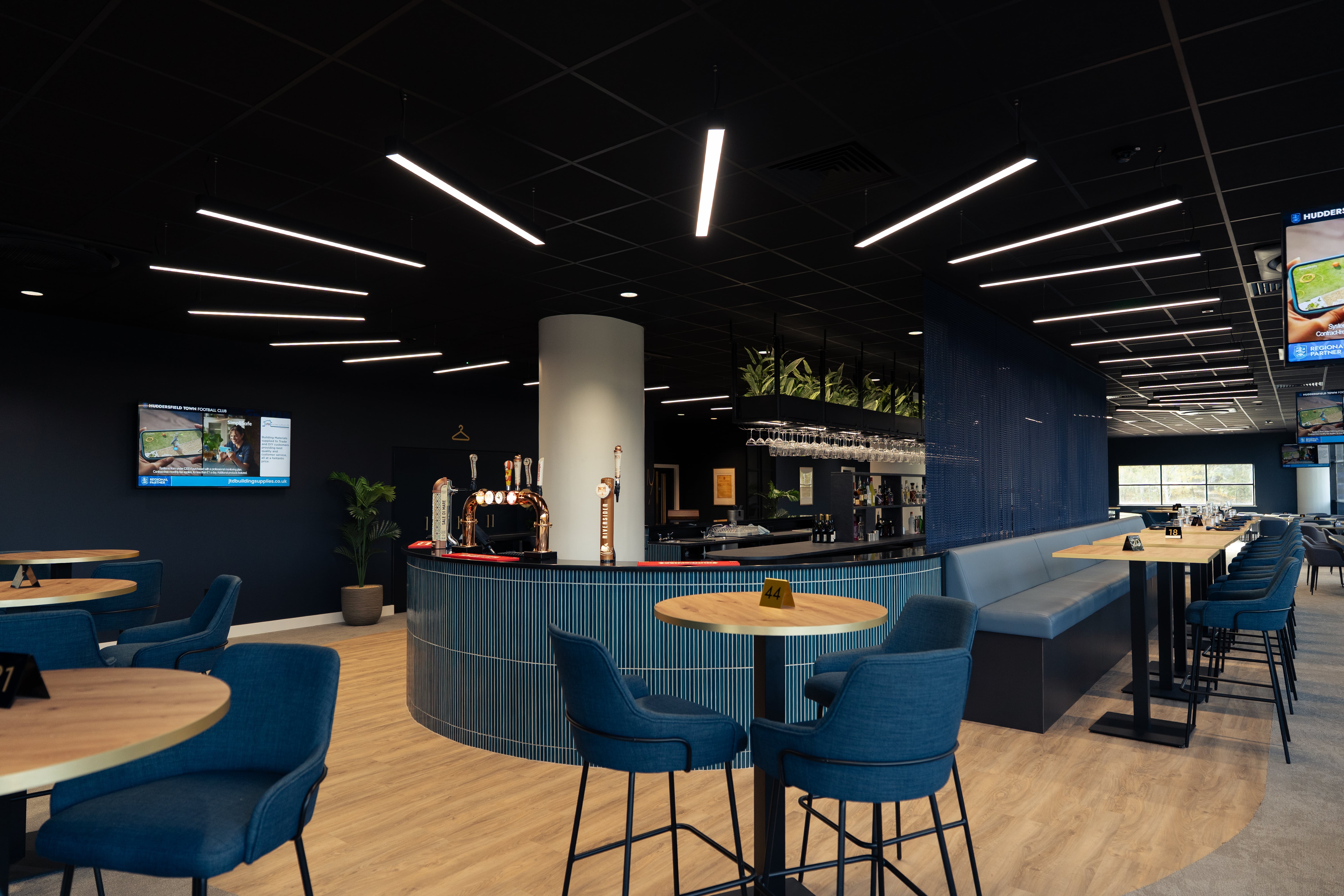
Redefining Stadium Hospitality through Interior Design
Stadium hospitality has evolved from a functional afterthought into a strategically designed component of the user journey. Today’s fans expect more than amenities, they seek environments that anticipate their needs, facilitate social connection, and elevate the live experience. Each design decision, from layout to lighting, directly affects how fans engage, dwell, and spend.
Thoughtful circulation and clear wayfinding reduce congestion, allowing fans to move effortlessly between spaces. Comfort is non-negotiable: ergonomically designed seating, textured finishes, and flexible furniture arrangements balance style, usability, and social interaction. Material choices, from tactile fabrics to warm woods, signal quality, while lighting guides movement, highlights key experiences, and creates zones that feel inviting yet exclusive.
Every element is purpose-driven and considered: modular furniture enhances flexibility and adaptability within a space, zoning encourages spatial flow, and sensory-rich environments immerse fans in the excitement of the event. The result is hospitality that does more than look good, it extends dwell time, encourages higher spending, and fosters repeat visits.

What is Smart Stadium Hospitality Design?
In today’s stadiums, fans don’t just watch the game, they inhabit spaces that feel purposeful, social, and engaging. Interior design transforms hospitality areas from waiting zones into immersive environments that drive interaction and spending.
- Entry-level hospitality: Designed for groups, these spaces balance intimacy and connectivity. Carefully curated furniture, flexible seating clusters, and zoned layouts allow fans to gather, network, or relax while enjoying the atmosphere.
- Suites and lounges: Beyond luxury aesthetics, more premium spaces offer elevated materials, ambient lighting, and private amenities to extend dwell time and justify higher spend. Spatial hierarchy signals exclusivity while remaining welcoming.
- Flexible, multi-use spaces: Modular layouts and adaptable lighting allow hospitality zones to shift from family areas to corporate lounges or fan club hubs. Intentionality in design ensures these transformations feel seamless, not improvised.
Every design choice guides behaviour: users stay longer, connect more deeply with the space, and are more likely to invest in premium experiences and return. Interior design is not decorative, it is a strategic tool for engagement and revenue.
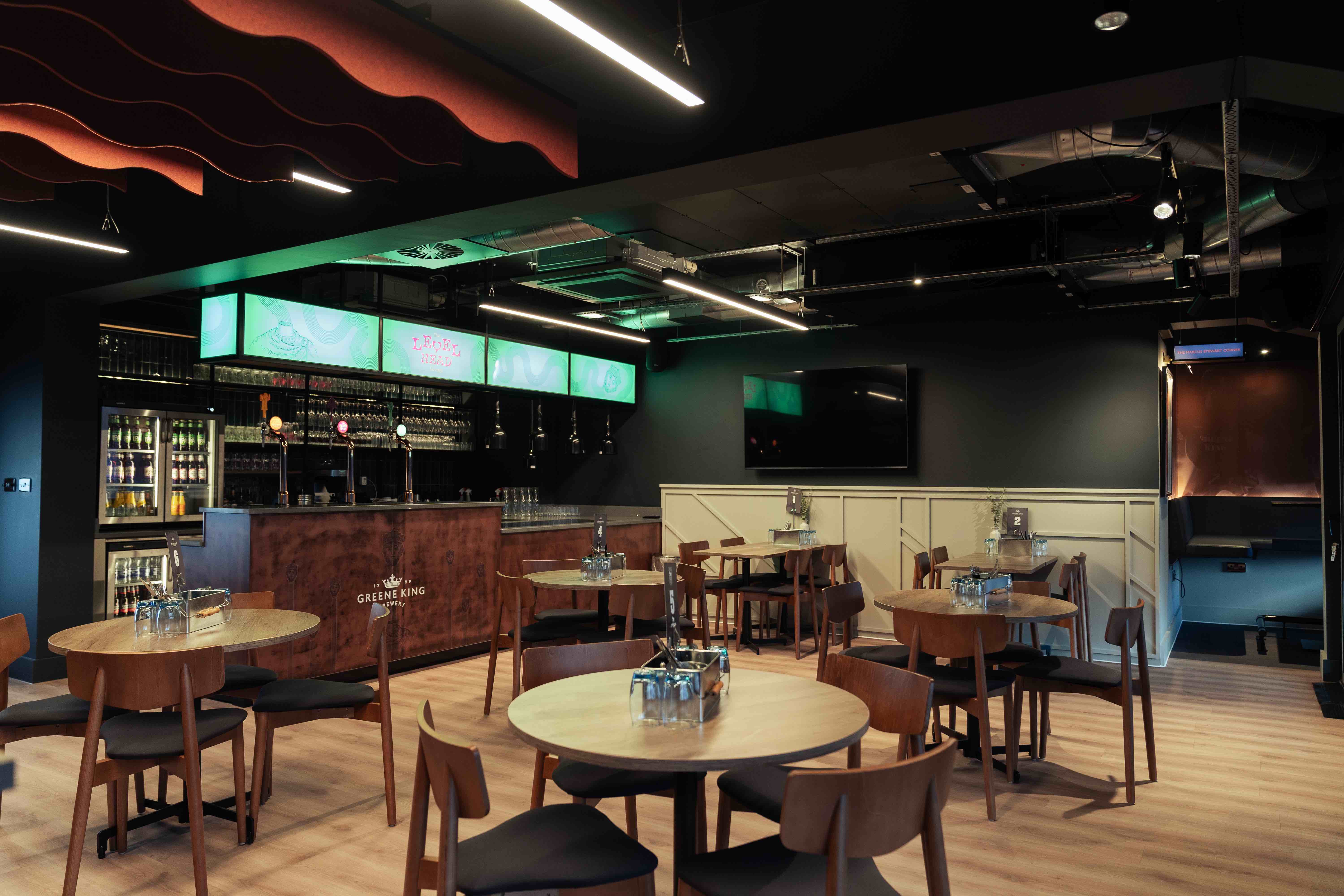
The Psychology Behind Fan Spending in Stadiums: How Design Drives Behaviour
Design shapes how fans feel, move, and ultimately spend:
- Convenience Encourages Impulse Purchases
Intuitive circulation and accessible concessions reduce friction. Fans who navigate effortlessly are more likely to make spontaneous purchases. - Comfort Extends Dwell Time
Ergonomic seating, inviting lounges, and thoughtfully arranged social spaces encourage fans to linger, creating more opportunities for revenue. - Premium Environments Signal Value
High-quality finishes, layered lighting, and deliberate spatial composition communicate exclusivity. Fans and users perceive higher value and are willing to invest in suites, premium tickets, or hospitality packages. - Engagement Fosters Loyalty
Immersive, sensory-rich spaces create memorable experiences. Fans who feel emotionally connected return more often and become advocates for the venue.
By grounding every hospitality decision in interior design principles, stadiums can create environments that are not only visually compelling but commercially impactful. Thoughtful materials, space planning, intentional lighting, and organic flow encourage users to stay longer, spend more, and return again and again.